
For many pet owners, decorating a home with beautiful houseplants can feel like a balancing act. While indoor plants add color, improve aesthetics, and create a calming atmosphere, some popular houseplants can be harmful if chewed or ingested by curious cats and dogs. According to the ASPCA Animal Poison Control Center, plants are among the many household items that can pose a risk to pets, with certain species causing symptoms ranging from mild digestive upset to severe toxicity.[1]
Fortunately, pet owners do not have to choose between a lush indoor garden and the safety of their furry companions. Many attractive houseplants are considered non-toxic to cats and dogs, allowing homeowners to enjoy greenery without unnecessary worry. Saralyn Wasserman recognizes that while no plant should be viewed as a snack for pets, choosing non-toxic species can significantly reduce risks if an inquisitive cat nibbles a leaf or a playful puppy investigates a potted plant.
Here are 10 popular pet-safe houseplants that can help create a vibrant indoor space while keeping cats and dogs safe.
1. Spider Plant (Chlorophytum comosum)
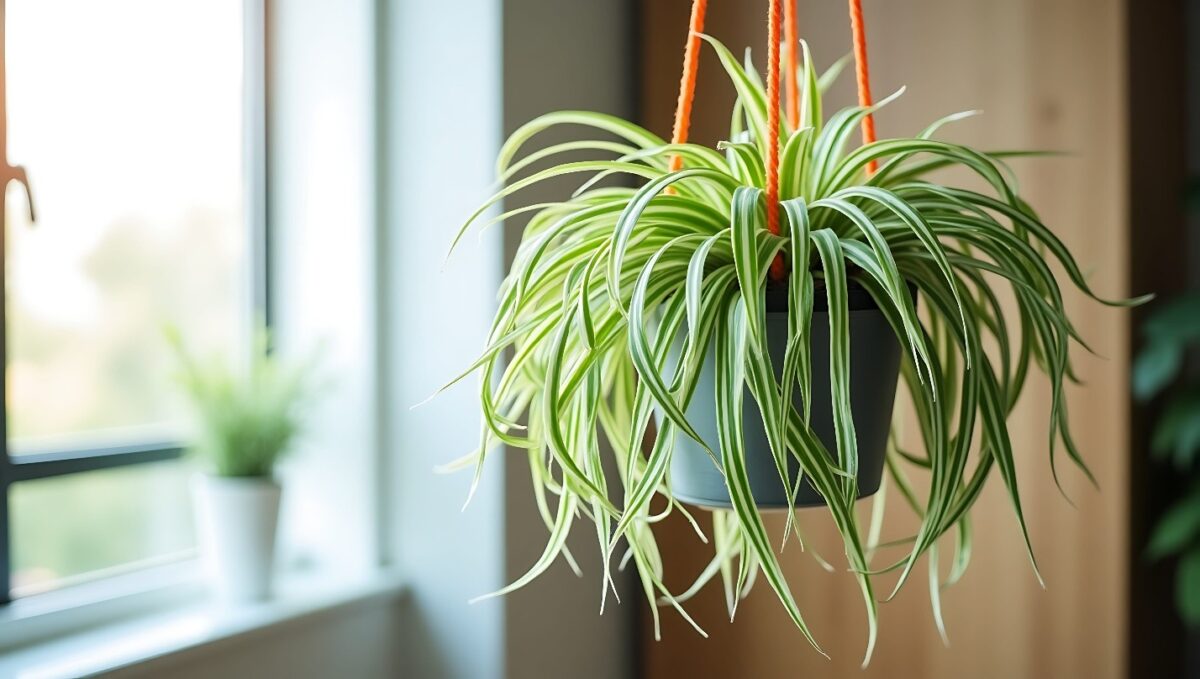
The spider plant is often recommended as one of the easiest and most resilient houseplants for beginners. Its long, arching green leaves and cascading plantlets make it an attractive addition to shelves, hanging baskets, and plant stands. Spider plants thrive in bright, indirect light and tolerate occasional neglect, making them ideal for busy households. They are also recognized by the ASPCA as non-toxic to cats and dogs.[2]
Why Pet Owners Love It
- Easy to grow
- Adaptable to various indoor conditions
- Produces baby plants for propagation
- Safe around pets
One thing to note is that some cats enjoy batting at the dangling leaves, so placement may still require consideration.
2. Boston Fern (Nephrolepis exaltata)
Boston ferns bring a lush, tropical feel to indoor spaces. Their feathery fronds add texture and softness to any room while helping create a natural, calming environment.
These plants prefer higher humidity and indirect sunlight, making them particularly well suited to bathrooms or kitchens. According to the ASPCA, Boston ferns are non-toxic to both cats and dogs.[3]
Benefits
- Pet-safe foliage
- Attractive hanging plant
- Help to create a tropical aesthetic
- Suitable for humid indoor spaces
3. Areca Palm (Dypsis lutescens)
The areca palm is a favorite among interior designers because of its elegant appearance and ability to add height and visual interest to a room.
Its arching fronds resemble those of larger tropical palms, making it an excellent choice for homeowners who want a dramatic statement plant. The ASPCA lists areca palms as non-toxic to cats and dogs.[4]
Best Features
- Tall, graceful growth
- Tropical appearance
- Suitable for bright indoor locations
- Safe for households with pets
4. Calathea
Calatheas are known for their striking leaf patterns and vibrant colors. Many varieties feature dramatic striping, purple undersides, and intricate markings that make them stand out among common houseplants. Calatheas prefer moderate to bright indirect light and benefit from consistent moisture and humidity. The ASPCA recognizes calathea species as non-toxic to pets.[5]
Why They’re Popular
- Unique decorative foliage
- Numerous varieties available
- Safe for cats and dogs
- Excellent for indoor plant collections
5. Prayer Plant (Maranta leuconeura)
Closely related to calatheas, prayer plants are named for their distinctive leaf movements. Their leaves fold upward at night, resembling hands in prayer. Prayer plants feature colorful foliage with red veins and patterned leaves that provide year-round visual appeal. They are considered non-toxic to cats and dogs by the ASPCA.[6]
Advantages
- Fascinating daily leaf movement
- Compact size
- Colorful foliage
- Pet-friendly choice
6. Parlor Palm (Chamaedorea elegans)
The parlor palm has been a popular indoor plant since the Victorian era. Its delicate fronds and compact growth habit make it an excellent option for apartments, offices, and smaller rooms. This palm tolerates lower light conditions better than many tropical plants and is listed as non-toxic to cats and dogs.[7]
Why It Works Well Indoors
- Low maintenance
- Adaptable to moderate light
- Elegant appearance
- Safe around pets
7. African Violet (Saintpaulia)
Not every pet-safe houseplant is grown primarily for its foliage. African violets provide colorful blooms that can brighten indoor spaces throughout much of the year. These compact flowering plants come in shades of purple, pink, white, and blue and perform well on windowsills with bright indirect light. The ASPCA identifies African violets as non-toxic to cats and dogs.[8]
Highlights
- Frequent flowering
- Small footprint
- Variety of flower colors
- Safe for pet households
8. Peperomia
Peperomia encompasses a large group of attractive houseplants available in many shapes, colors, and textures. Some varieties feature thick succulent-like leaves, while others display rippled or variegated foliage. These adaptable plants thrive in bright, indirect light and generally require minimal maintenance. Peperomia species are considered non-toxic to cats and dogs.[9]
Benefits
- Wide variety of appearances
- Easy care requirements
- Compact growth
- Pet-safe designation
9. Haworthia
Many succulent enthusiasts assume they must avoid succulents if they own pets, but Haworthia offers a pet-safe alternative. These small succulents feature thick, pointed leaves and often resemble miniature aloe plants. Unlike aloe vera, which can be toxic to pets, Haworthia is generally recognized as non-toxic.[10]
Why It’s a Great Choice
- Drought tolerant
- Ideal for sunny windows
- Compact size
- Suitable for beginners
10. Orchid (Phalaenopsis Species)
Orchids are often viewed as difficult plants, but many modern Phalaenopsis orchids are surprisingly manageable for indoor gardeners. Their elegant flowers can last for months and come in a wide range of colors and patterns. The ASPCA lists Phalaenopsis orchids as non-toxic to cats and dogs.[11]
Advantages
- Long-lasting blooms
- Elegant appearance
- Suitable for indoor cultivation
- Pet-safe status
Additional Tips for Pet-Friendly Plant Care
Even when selecting non-toxic plants, responsible plant ownership remains important.
- Place Plants Strategically
Some pets enjoy digging in soil, chewing leaves, or knocking over pots. Position plants where they are less likely to become playthings.
- Avoid Chemical Exposure
Fertilizers, pesticides, and leaf shine products may pose risks even when the plant itself is non-toxic. Always follow product instructions carefully and keep chemicals out of reach of pets.
- Monitor Pet Behavior
Individual pets have unique habits. Some may completely ignore plants, while others may investigate every leaf within reach.
- Consult a Veterinarian When Necessary
If a pet consumes a large amount of any plant or develops unusual symptoms, contact a veterinarian or the ASPCA Animal Poison Control Center for guidance.
Creating a Safe and Beautiful Indoor Garden
Pet ownership does not mean giving up the benefits of indoor plants. By choosing species recognized as non-toxic to cats and dogs, homeowners can enjoy a greener living space while reducing potential risks to their animals.
Plants such as spider plants, Boston ferns, areca palms, calatheas, prayer plants, parlor palms, African violets, peperomias, Haworthias, and orchids demonstrate that safety and beauty can coexist. These species offer a variety of colors, textures, sizes, and growth habits, allowing pet owners to create attractive indoor gardens that complement their homes and lifestyles.
With thoughtful plant selection and proper care, it is entirely possible to cultivate a thriving indoor oasis that both people and pets can enjoy.
References
- ASPCA Animal Poison Control Center. Plant safety information and toxicology resources. https://www.aspca.org/pet-care/animal-poison-control
- ASPCA. Spider Plant (Chlorophytum comosum). https://www.aspca.org/pet-care/animal-poison-control/toxic-and-non-toxic-plants/spider-plant
- ASPCA. Boston Fern (Nephrolepis exaltata). https://www.aspca.org/pet-care/animal-poison-control/toxic-and-non-toxic-plants/boston-fern
- ASPCA. Areca Palm (Dypsis lutescens). https://www.aspca.org/pet-care/animal-poison-control/toxic-and-non-toxic-plants/areca-palm
- ASPCA. Calathea. https://www.aspca.org/pet-care/animal-poison-control/toxic-and-non-toxic-plants/calathea
- ASPCA. Prayer Plant (Maranta leuconeura). https://www.aspca.org/pet-care/animal-poison-control/toxic-and-non-toxic-plants/prayer-plant
- ASPCA. Parlor Palm (Chamaedorea elegans). https://www.aspca.org/pet-care/animal-poison-control/toxic-and-non-toxic-plants/parlor-palm
- ASPCA. African Violet (Saintpaulia). https://www.aspca.org/pet-care/animal-poison-control/toxic-and-non-toxic-plants/african-violet
- ASPCA. Peperomia. https://www.aspca.org/pet-care/animal-poison-control/toxic-and-non-toxic-plants/peperomia
- ASPCA. Haworthia. https://www.aspca.org/pet-care/animal-poison-control/toxic-and-non-toxic-plants/haworthia
- ASPCA. Orchid (Phalaenopsis Species). https://www.aspca.org/pet-care/animal-poison-control/toxic-and-non-toxic-plants/orchid
[1] ASPCA Animal Poison Control Center. Plant safety information and toxicology resources. https://www.aspca.org/pet-care/animal-poison-control
[2] ASPCA. Spider Plant (Chlorophytum comosum). https://www.aspca.org/pet-care/animal-poison-control/toxic-and-non-toxic-plants/spider-plant
[3] ASPCA. Boston Fern (Nephrolepis exaltata). https://www.aspca.org/pet-care/animal-poison-control/toxic-and-non-toxic-plants/boston-fern
[4] ASPCA. Areca Palm (Dypsis lutescens). https://www.aspca.org/pet-care/animal-poison-control/toxic-and-non-toxic-plants/areca-palm
[5] ASPCA. Calathea. https://www.aspca.org/pet-care/animal-poison-control/toxic-and-non-toxic-plants/calathea
[6] ASPCA. Prayer Plant (Maranta leuconeura). https://www.aspca.org/pet-care/animal-poison-control/toxic-and-non-toxic-plants/prayer-plant
[7] ASPCA. Parlor Palm (Chamaedorea elegans). https://www.aspca.org/pet-care/animal-poison-control/toxic-and-non-toxic-plants/parlor-palm
[8] ASPCA. African Violet (Saintpaulia). https://www.aspca.org/pet-care/animal-poison-control/toxic-and-non-toxic-plants/african-violet
[9] ASPCA. Peperomia. https://www.aspca.org/pet-care/animal-poison-control/toxic-and-non-toxic-plants/peperomia
[10] ASPCA. Haworthia. https://www.aspca.org/pet-care/animal-poison-control/toxic-and-non-toxic-plants/haworthia
[11] ASPCA. Orchid (Phalaenopsis Species). https://www.aspca.org/pet-care/animal-poison-control/toxic-and-non-toxic-plants/orchid
