Categories
Saralyn Wasserman

10 Pet-Safe Houseplants for Cat and Dog Owners

For many pet owners, decorating a home with beautiful houseplants can feel like a balancing act. While indoor plants add color, improve aesthetics, and create a calming atmosphere, some popular houseplants can be harmful if chewed or ingested by curious cats and dogs. According to the ASPCA Animal Poison Control Center, plants are among the many household items that can pose a risk to pets, with certain species causing symptoms ranging from mild digestive upset to severe toxicity.[1]

Fortunately, pet owners do not have to choose between a lush indoor garden and the safety of their furry companions. Many attractive houseplants are considered non-toxic to cats and dogs, allowing homeowners to enjoy greenery without unnecessary worry. Saralyn Wasserman  recognizes that while no plant should be viewed as a snack for pets, choosing non-toxic species can significantly reduce risks if an inquisitive cat nibbles a leaf or a playful puppy investigates a potted plant.

Here are 10 popular pet-safe houseplants that can help create a vibrant indoor space while keeping cats and dogs safe.

1. Spider Plant (Chlorophytum comosum)

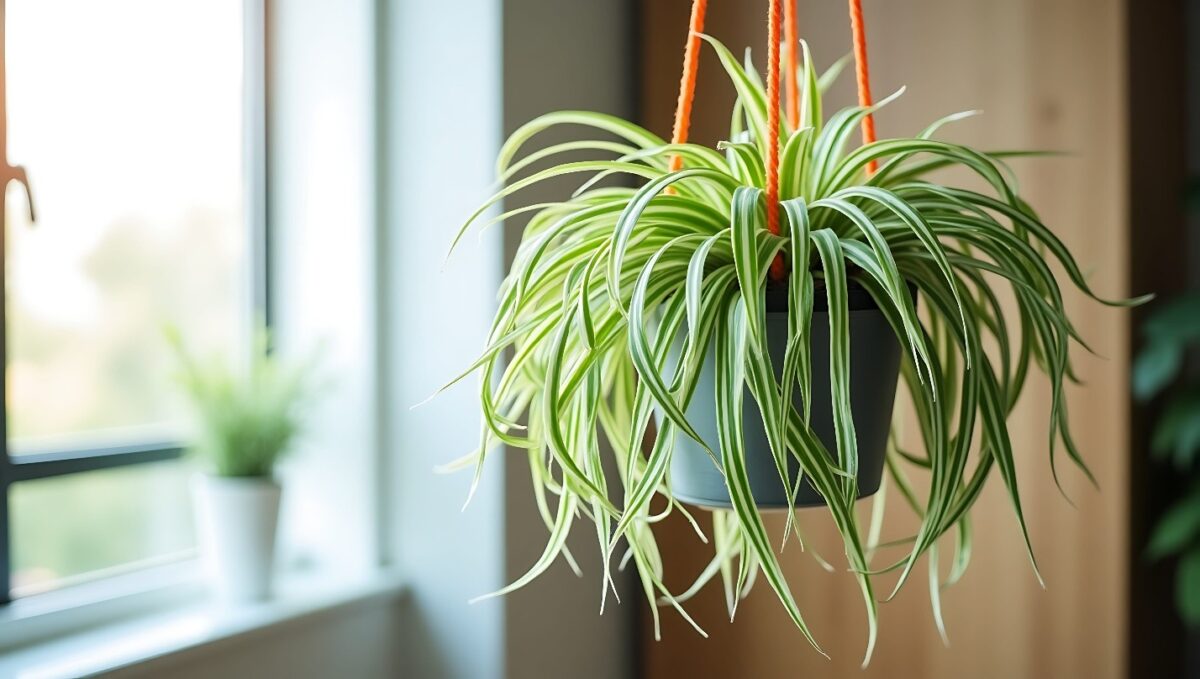
The spider plant is often recommended as one of the easiest and most resilient houseplants for beginners. Its long, arching green leaves and cascading plantlets make it an attractive addition to shelves, hanging baskets, and plant stands. Spider plants thrive in bright, indirect light and tolerate occasional neglect, making them ideal for busy households. They are also recognized by the ASPCA as non-toxic to cats and dogs.[2]

Why Pet Owners Love It

  • Easy to grow
  • Adaptable to various indoor conditions
  • Produces baby plants for propagation
  • Safe around pets

One thing to note is that some cats enjoy batting at the dangling leaves, so placement may still require consideration.

2. Boston Fern (Nephrolepis exaltata)

Boston ferns bring a lush, tropical feel to indoor spaces. Their feathery fronds add texture and softness to any room while helping create a natural, calming environment.

These plants prefer higher humidity and indirect sunlight, making them particularly well suited to bathrooms or kitchens. According to the ASPCA, Boston ferns are non-toxic to both cats and dogs.[3]

Benefits

  • Pet-safe foliage
  • Attractive hanging plant
  • Help to create a tropical aesthetic
  • Suitable for humid indoor spaces

3. Areca Palm (Dypsis lutescens)

The areca palm is a favorite among interior designers because of its elegant appearance and ability to add height and visual interest to a room.

Its arching fronds resemble those of larger tropical palms, making it an excellent choice for homeowners who want a dramatic statement plant. The ASPCA lists areca palms as non-toxic to cats and dogs.[4]

Best Features

  • Tall, graceful growth
  • Tropical appearance
  • Suitable for bright indoor locations
  • Safe for households with pets

4. Calathea

Calatheas are known for their striking leaf patterns and vibrant colors. Many varieties feature dramatic striping, purple undersides, and intricate markings that make them stand out among common houseplants. Calatheas prefer moderate to bright indirect light and benefit from consistent moisture and humidity. The ASPCA recognizes calathea species as non-toxic to pets.[5]

Why They’re Popular

  • Unique decorative foliage
  • Numerous varieties available
  • Safe for cats and dogs
  • Excellent for indoor plant collections

5. Prayer Plant (Maranta leuconeura)

Closely related to calatheas, prayer plants are named for their distinctive leaf movements. Their leaves fold upward at night, resembling hands in prayer. Prayer plants feature colorful foliage with red veins and patterned leaves that provide year-round visual appeal. They are considered non-toxic to cats and dogs by the ASPCA.[6]

Advantages

  • Fascinating daily leaf movement
  • Compact size
  • Colorful foliage
  • Pet-friendly choice

6. Parlor Palm (Chamaedorea elegans)

The parlor palm has been a popular indoor plant since the Victorian era. Its delicate fronds and compact growth habit make it an excellent option for apartments, offices, and smaller rooms. This palm tolerates lower light conditions better than many tropical plants and is listed as non-toxic to cats and dogs.[7]

Why It Works Well Indoors

  • Low maintenance
  • Adaptable to moderate light
  • Elegant appearance
  • Safe around pets

7. African Violet (Saintpaulia)

Not every pet-safe houseplant is grown primarily for its foliage. African violets provide colorful blooms that can brighten indoor spaces throughout much of the year. These compact flowering plants come in shades of purple, pink, white, and blue and perform well on windowsills with bright indirect light. The ASPCA identifies African violets as non-toxic to cats and dogs.[8]

Highlights

  • Frequent flowering
  • Small footprint
  • Variety of flower colors
  • Safe for pet households

8. Peperomia

Peperomia encompasses a large group of attractive houseplants available in many shapes, colors, and textures. Some varieties feature thick succulent-like leaves, while others display rippled or variegated foliage. These adaptable plants thrive in bright, indirect light and generally require minimal maintenance. Peperomia species are considered non-toxic to cats and dogs.[9]

Benefits

  • Wide variety of appearances
  • Easy care requirements
  • Compact growth
  • Pet-safe designation

9. Haworthia

Many succulent enthusiasts assume they must avoid succulents if they own pets, but Haworthia offers a pet-safe alternative. These small succulents feature thick, pointed leaves and often resemble miniature aloe plants. Unlike aloe vera, which can be toxic to pets, Haworthia is generally recognized as non-toxic.[10]

Why It’s a Great Choice

  • Drought tolerant
  • Ideal for sunny windows
  • Compact size
  • Suitable for beginners

10. Orchid (Phalaenopsis Species)

Orchids are often viewed as difficult plants, but many modern Phalaenopsis orchids are surprisingly manageable for indoor gardeners. Their elegant flowers can last for months and come in a wide range of colors and patterns. The ASPCA lists Phalaenopsis orchids as non-toxic to cats and dogs.[11]

Advantages

  • Long-lasting blooms
  • Elegant appearance
  • Suitable for indoor cultivation
  • Pet-safe status

Additional Tips for Pet-Friendly Plant Care

Even when selecting non-toxic plants, responsible plant ownership remains important.

  • Place Plants Strategically

Some pets enjoy digging in soil, chewing leaves, or knocking over pots. Position plants where they are less likely to become playthings.

  • Avoid Chemical Exposure

Fertilizers, pesticides, and leaf shine products may pose risks even when the plant itself is non-toxic. Always follow product instructions carefully and keep chemicals out of reach of pets.

  • Monitor Pet Behavior

Individual pets have unique habits. Some may completely ignore plants, while others may investigate every leaf within reach.

  • Consult a Veterinarian When Necessary

If a pet consumes a large amount of any plant or develops unusual symptoms, contact a veterinarian or the ASPCA Animal Poison Control Center for guidance.

Creating a Safe and Beautiful Indoor Garden

Pet ownership does not mean giving up the benefits of indoor plants. By choosing species recognized as non-toxic to cats and dogs, homeowners can enjoy a greener living space while reducing potential risks to their animals.

Plants such as spider plants, Boston ferns, areca palms, calatheas, prayer plants, parlor palms, African violets, peperomias, Haworthias, and orchids demonstrate that safety and beauty can coexist. These species offer a variety of colors, textures, sizes, and growth habits, allowing pet owners to create attractive indoor gardens that complement their homes and lifestyles.

With thoughtful plant selection and proper care, it is entirely possible to cultivate a thriving indoor oasis that both people and pets can enjoy.

References

  1. ASPCA Animal Poison Control Center. Plant safety information and toxicology resources. https://www.aspca.org/pet-care/animal-poison-control
  2. ASPCA. Spider Plant (Chlorophytum comosum). https://www.aspca.org/pet-care/animal-poison-control/toxic-and-non-toxic-plants/spider-plant
  3. ASPCA. Boston Fern (Nephrolepis exaltata). https://www.aspca.org/pet-care/animal-poison-control/toxic-and-non-toxic-plants/boston-fern
  4. ASPCA. Areca Palm (Dypsis lutescens). https://www.aspca.org/pet-care/animal-poison-control/toxic-and-non-toxic-plants/areca-palm
  5. ASPCA. Calathea. https://www.aspca.org/pet-care/animal-poison-control/toxic-and-non-toxic-plants/calathea
  6. ASPCA. Prayer Plant (Maranta leuconeura). https://www.aspca.org/pet-care/animal-poison-control/toxic-and-non-toxic-plants/prayer-plant
  7. ASPCA. Parlor Palm (Chamaedorea elegans). https://www.aspca.org/pet-care/animal-poison-control/toxic-and-non-toxic-plants/parlor-palm
  8. ASPCA. African Violet (Saintpaulia). https://www.aspca.org/pet-care/animal-poison-control/toxic-and-non-toxic-plants/african-violet
  9. ASPCA. Peperomia. https://www.aspca.org/pet-care/animal-poison-control/toxic-and-non-toxic-plants/peperomia
  10. ASPCA. Haworthia. https://www.aspca.org/pet-care/animal-poison-control/toxic-and-non-toxic-plants/haworthia
  11. ASPCA. Orchid (Phalaenopsis Species). https://www.aspca.org/pet-care/animal-poison-control/toxic-and-non-toxic-plants/orchid

[1] ASPCA Animal Poison Control Center. Plant safety information and toxicology resources. https://www.aspca.org/pet-care/animal-poison-control

[2] ASPCA. Spider Plant (Chlorophytum comosum). https://www.aspca.org/pet-care/animal-poison-control/toxic-and-non-toxic-plants/spider-plant

[3] ASPCA. Boston Fern (Nephrolepis exaltata). https://www.aspca.org/pet-care/animal-poison-control/toxic-and-non-toxic-plants/boston-fern

[4] ASPCA. Areca Palm (Dypsis lutescens). https://www.aspca.org/pet-care/animal-poison-control/toxic-and-non-toxic-plants/areca-palm

[5] ASPCA. Calathea. https://www.aspca.org/pet-care/animal-poison-control/toxic-and-non-toxic-plants/calathea

[6] ASPCA. Prayer Plant (Maranta leuconeura). https://www.aspca.org/pet-care/animal-poison-control/toxic-and-non-toxic-plants/prayer-plant

[7] ASPCA. Parlor Palm (Chamaedorea elegans). https://www.aspca.org/pet-care/animal-poison-control/toxic-and-non-toxic-plants/parlor-palm

[8] ASPCA. African Violet (Saintpaulia). https://www.aspca.org/pet-care/animal-poison-control/toxic-and-non-toxic-plants/african-violet

[9] ASPCA. Peperomia. https://www.aspca.org/pet-care/animal-poison-control/toxic-and-non-toxic-plants/peperomia

[10] ASPCA. Haworthia. https://www.aspca.org/pet-care/animal-poison-control/toxic-and-non-toxic-plants/haworthia

[11] ASPCA. Orchid (Phalaenopsis Species). https://www.aspca.org/pet-care/animal-poison-control/toxic-and-non-toxic-plants/orchid

Categories
Saralyn Wasserman

Native Plants and Their Role in Local Ecosystems

Native plants are increasingly gaining attention among homeowners, landscapers, conservationists, and gardeners . . . and for good reasons. While ornamental plants imported from other regions may offer visual appeal, native species provide a wide range of environmental benefits that extend far beyond aesthetics. These plants have evolved over thousands of years alongside local wildlife, climate conditions, soils, and ecosystems, making them uniquely suited to support ecological health.

As concerns about water conservation, biodiversity loss, and habitat degradation continue to grow, many people are looking for practical ways to make a positive environmental impact. Saralyn Wasserman explores how one of the simplest and most effective actions is incorporating native plants into residential landscapes, community gardens, parks, and restoration projects. Native species help reduce water consumption, support pollinators and wildlife, improve soil health, and contribute to the resilience of local ecosystems.

Understanding the role native plants play in the environment can help homeowners make informed landscaping choices that benefit both their properties and the natural world around them.

What Are Native Plants?

Native plants are species that occur naturally within a specific region and have developed there without human introduction. These plants evolved alongside local insects, birds, mammals, fungi, and microorganisms, creating intricate ecological relationships that have developed over centuries, and even millennia.[1]

Examples of native plants vary by location. In the southeastern United States, species such as purple coneflower, black-eyed Susan, beautyberry, and longleaf pine are considered native. In the western states, native species may include California poppies, sagebrush, and various species of oak.

Because native plants  have adapted to local conditions, they generally require fewer resources and less maintenance than many non-native ornamental species.

Reduced Water Use and Improved Drought Tolerance

One of the most significant environmental benefits of native plants is their ability to thrive with less supplemental watering.

Many traditional man-made landscapes rely heavily on turfgrass and exotic ornamentals that require frequent irrigation to remain healthy. According to the U.S. Environmental Protection Agency (EPA), outdoor water use accounts for nearly 30 percent of household water consumption nationwide, with much of that water devoted to landscape irrigation.[2] In arid regions, outdoor water use can account for an even larger percentage of residential consumption.

Native plants are naturally adapted to local rainfall patterns and climate conditions. Once established, many native species can survive with little or no supplemental irrigation beyond normal precipitation.

Benefits of Reduced Water Use

  • Lower household water consumption
  • Reduced strain on municipal water supplies
  • Lower utility costs
  • Improved drought resilience
  • Reduced energy use associated with water treatment and delivery

By replacing even portions of traditional lawns with native vegetation, homeowners can reduce their landscape’s water demands while maintaining an attractive outdoor space.

Supporting Pollinators and Biodiversity

Biodiversity refers to the variety of living organisms within an ecosystem, including plants, animals, insects, fungi, and microorganisms. Healthy ecosystems depend on biodiversity because species interact with and support one another in countless ways.

Native plants serve as the foundation of these relationships.

Research from the National Wildlife Federation notes that approximately 90 percent of plant-eating insects are specialists, meaning they can only feed on certain native plant species with which they evolved.[3] When native plants disappear from a landscape, many insects lose critical food sources.

This relationship has broader implications because insects form the base of many food webs.

Native Plants Support:

  • Bees
  • Butterflies
  • Moths
  • Beetles
  • Birds
  • Small mammals
  • Amphibians

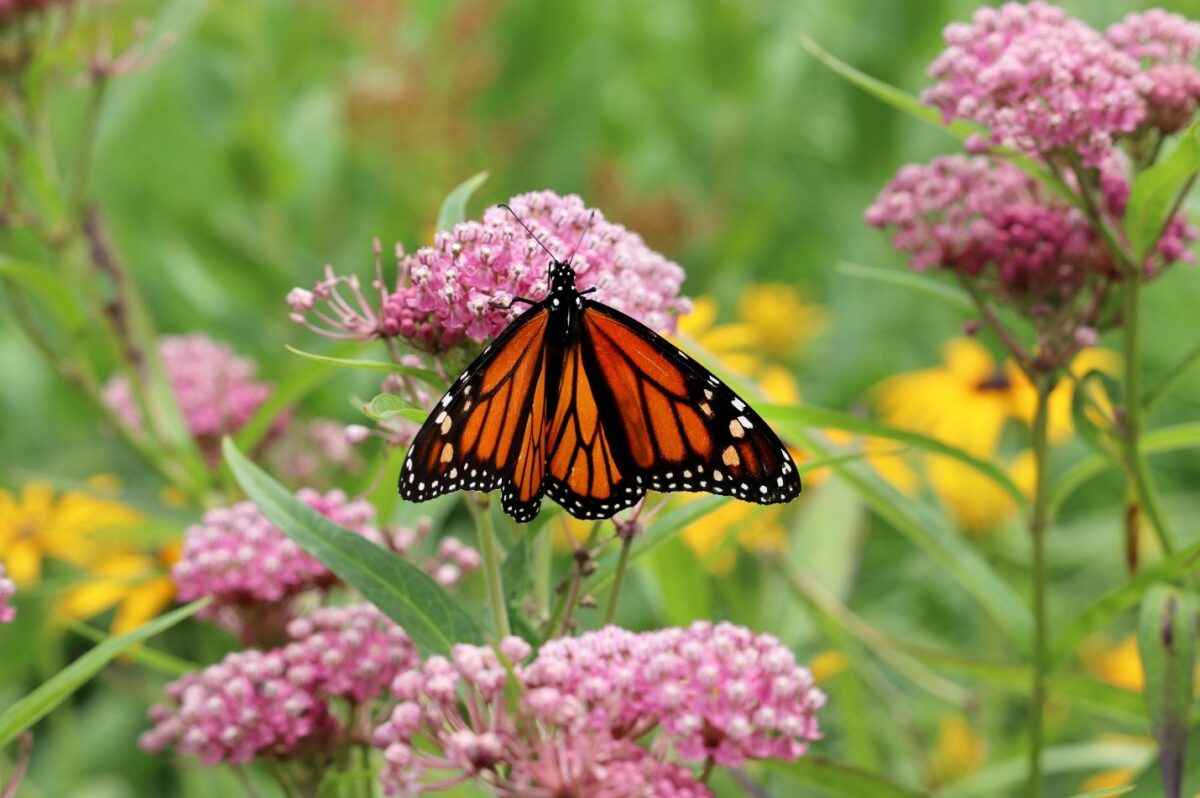
For example, monarch butterflies depend on milkweed species as the sole host plant for their caterpillars. Without milkweed, monarch populations cannot successfully reproduce.[4]

Similarly, many native bee species rely on pollen and nectar from specific native flowers. Introducing a greater diversity of native plants can help sustain pollinator populations that play a crucial role in agriculture and natural ecosystems.

Creating Habitat for Wildlife

Wildlife requires more than food to survive. Animals also need shelter, nesting sites, breeding grounds, and protection from predators. Native plants provide these essential habitat features.

Trees, shrubs, grasses, and wildflowers create layered habitats that support a wide range of species. Native shrubs may provide nesting locations for birds, while native grasses offer cover for small mammals and ground-nesting insects.

The National Audubon Society emphasizes that native plants provide the food resources birds need throughout their life cycles, including seeds, berries, nectar, and insect prey.[5]

Wildlife Benefits of Native Landscapes

  • Increased nesting opportunities
  • Enhanced food availability
  • Improved migration support
  • Better shelter from weather and predators
  • Greater ecosystem stability

Even relatively small residential landscapes can become valuable wildlife refuges when planted with native species.

Improving Soil Health

Healthy soils are critical for ecosystem function. Native plants contribute to soil health through their root systems, organic matter production, and interactions with soil microorganisms.

Many native species develop deep root systems that help stabilize soil and improve its structure. These roots allow water to infiltrate more effectively, reducing runoff and erosion.

As leaves, stems, and roots decompose, they contribute organic matter that enriches the soil and supports beneficial microorganisms.

Soil Benefits Include:

  • Reduced erosion
  • Increased organic matter
  • Improved nutrient cycling
  • Better water infiltration
  • Enhanced microbial activity

Deep-rooted native prairie plants, for example, can extend several feet below the soil surface, helping maintain soil structure and resilience during drought conditions.[6]

Reducing the Need for Fertilizers and Chemicals

Because native plants are adapted to local environments, they often require fewer chemical inputs than non-native ornamental species.

Traditional man-made landscapes may rely heavily on fertilizers, pesticides, and herbicides to maintain plant health and appearance. These products can contribute to environmental problems when they enter waterways through stormwater runoff.  Also, excess nutrients, particularly nitrogen and phosphorus, can lead to harmful algal blooms and degraded water quality.[7]

Native plants generally require:

  • Less fertilizer
  • Fewer pesticides
  • Reduced herbicide applications
  • Lower overall maintenance

This reduction in chemical use benefits not only the environment but also homeowners seeking more sustainable landscaping solutions.

Enhancing Climate Resilience

Climate change is creating new challenges for ecosystems worldwide, including increased temperatures, shifting precipitation patterns, and more frequent extreme weather events. Native plants can help communities adapt to these changes. 

Because native species evolved under local environmental conditions, many possess traits that improve resilience against regional climate stresses. Deep root systems, drought tolerance, flood resistance, and temperature adaptability often allow native plants to withstand environmental fluctuations better than many introduced (non-native) species.

In urban environments, native trees and vegetation can also help reduce the heat island effect by providing shade and cooling through evapo-transpiration.[8]

As communities seek ways to improve environmental sustainability, native landscaping is increasingly viewed as an important climate adaptation strategy.

Combating Habitat Loss

Habitat loss is considered one of the leading threats to biodiversity worldwide.

Urban development, agriculture, road construction, and land conversion have fragmented natural ecosystems, reducing available habitat for countless species. According to the International Union for Conservation of Nature (IUCN), habitat loss remains a primary driver of species decline globally.[9]

Native plant landscaping helps restore some of the ecological functions lost through development. While a single yard may seem insignificant, collectively, residential landscapes cover millions of acres across the United States. When homeowners choose native species, these spaces can function as ecological corridors that connect fragmented habitats and support wildlife movement.

Making the Transition to Native Plants

Transitioning to native landscaping does not require replacing an entire yard overnight.

Homeowners can begin by:

  • Adding native flowering plants to garden beds
  • Replacing portions of turfgrass with native groundcovers
  • Planting native trees and shrubs
  • Incorporating pollinator gardens
  • Selecting native species suited to local growing conditions

Local extension offices, native plant societies, botanical gardens, and conservation organizations can provide guidance on species that perform well in specific regions.

Starting small allows gardeners to gain experience while gradually creating a more environmentally beneficial landscape.

Native plants play a vital role in supporting healthy ecosystems. By choosing species that evolved in a particular region, homeowners and communities can reduce water use, increase biodiversity, improve wildlife habitat, strengthen soil health, reduce chemical inputs, and enhance resilience to environmental change.

As habitat loss and ecological challenges continue to affect natural systems, native landscaping offers a practical and accessible way for individuals to contribute to conservation efforts. Every native flower planted, every native shrub established, and every lawn converted to native vegetation helps rebuild ecological connections that support both wildlife and human communities.

Far more than a landscaping trend, native plants represent an investment in the long-term health and sustainability of local ecosystems.

References

  1. U.S. Forest Service. “Why Native Plants Matter.” https://www.fs.usda.gov/wildflowers/Native_Plant_Materials/why_native.shtml
  2. U.S. Environmental Protection Agency (EPA). “Outdoor Water Use in the United States.” https://www.epa.gov/watersense/statistics-and-facts
  3. National Wildlife Federation. “Native Plants and Pollinators.” https://www.nwf.org/Garden-for-Wildlife/About/Native-Plants
  4. U.S. Fish & Wildlife Service. “Monarch Butterfly and Milkweed.” https://www.fws.gov/story/spreading-milkweed-not-monarch-myths
  5. National Audubon Society. “Why Native Plants Matter for Birds.” https://www.audubon.org/content/why-native-plants-matter
  6. USDA Natural Resources Conservation Service. Information on native prairie plant root systems and soil health. https://www.nrcs.usda.gov
  7. U.S. Environmental Protection Agency (EPA). “Nutrient Pollution.” https://www.epa.gov/nutrientpollution
  8. U.S. Environmental Protection Agency (EPA). “Using Trees and Vegetation to Reduce Heat Islands.” https://www.epa.gov/heatislands/using-trees-and-vegetation-reduce-heat-islands
  9. International Union for Conservation of Nature (IUCN). “Habitat Loss.” https://www.iucn.org/resources/issues-brief/habitat-loss-and-degradation-and-invasive-alien-species

[1] U.S. Forest Service. “Why Native Plants Matter.” https://www.fs.usda.gov/wildflowers/Native_Plant_Materials/why_native.shtml

[2] U.S. Environmental Protection Agency (EPA). “Outdoor Water Use in the United States.” https://www.epa.gov/watersense/statistics-and-facts

[3] National Wildlife Federation. “Native Plants and Pollinators.” https://www.nwf.org/Garden-for-Wildlife/About/Native-Plants

[4] U.S. Fish & Wildlife Service. “Monarch Butterfly and Milkweed.” https://www.fws.gov/story/spreading-milkweed-not-monarch-myths

[5] National Audubon Society. “Why Native Plants Matter for Birds.” https://www.audubon.org/content/why-native-plants-matter

[6] USDA Natural Resources Conservation Service. Information on native prairie plant root systems and soil health. https://www.nrcs.usda.gov

[7] U.S. Environmental Protection Agency (EPA). “Nutrient Pollution.” https://www.epa.gov/nutrientpollution

[8] U.S. Environmental Protection Agency (EPA). “Using Trees and Vegetation to Reduce Heat Islands.” https://www.epa.gov/heatislands/using-trees-and-vegetation-reduce-heat-islands

[9] International Union for Conservation of Nature (IUCN). “Habitat Loss.” https://www.iucn.org/resources/issues-brief/habitat-loss-and-degradation-and-invasive-alien-species