
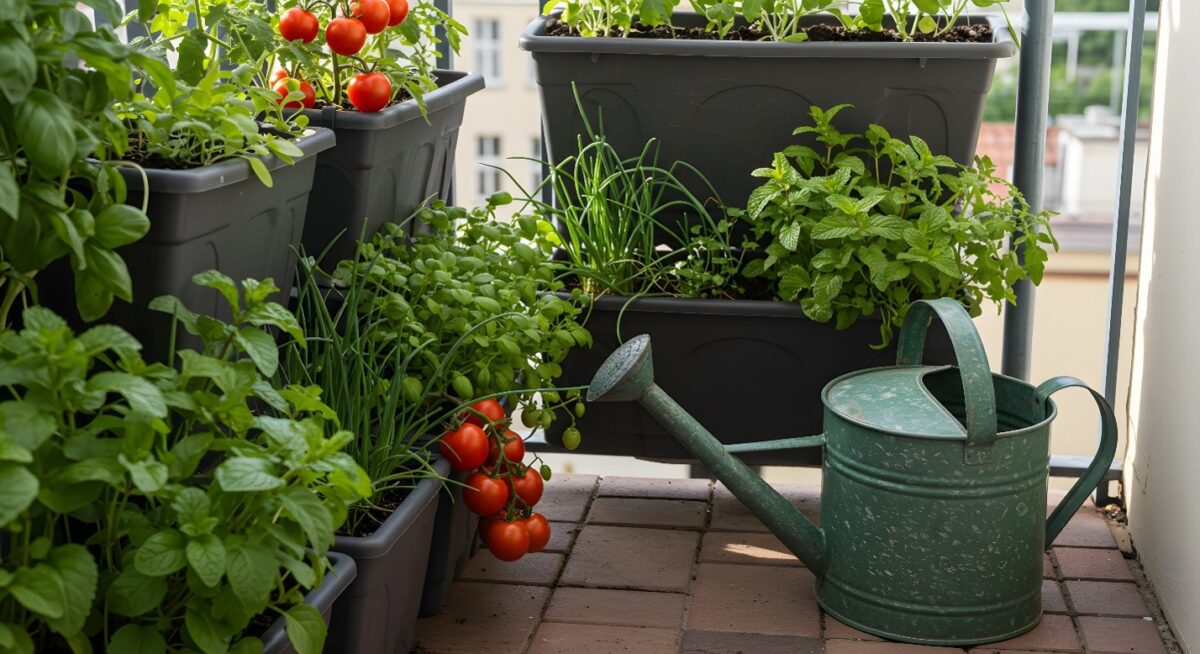
Not everyone has access to a large backyard or sprawling garden, but that doesn’t mean growing beautiful flowers, fresh herbs, or even vegetables is out of reach. Container gardening offers a practical solution for people with limited outdoor space, making it possible to cultivate a thriving garden on patios, balconies, decks, porches, rooftops, and even sunny windowsills. Saralyn Wasserman believes that whether you’re an apartment dweller, a homeowner with a small yard, or simply looking to maximize your available growing area, container gardening provides flexibility, accessibility, and endless design possibilities.
Beyond making gardening possible in small spaces, containers also allow gardeners to control soil conditions, move plants to take advantage of changing sunlight, and experiment with a wide variety of plant combinations. With thoughtful planning and regular care, a container garden can be just as productive and visually appealing as a traditional garden bed.
Why Container Gardening Has Become So Popular
Container gardening has grown in popularity because it removes many of the barriers associated with traditional gardening. Instead of preparing large planting beds, improving native soil, or dedicating significant yard space to gardening, homeowners can begin with just a few pots and a suitable location.
Containers make gardening accessible for people living in apartments, condominiums, townhomes, or homes with limited outdoor space. They also offer greater flexibility, allowing plants to be rearranged as seasons change or sunlight shifts throughout the year. Perhaps most importantly, container gardening enables people to enjoy the benefits of gardening regardless of where they live.
Choosing the Right Containers
Selecting an appropriate container is one of the first decisions a gardener will make. While decorative appearance often influences purchasing decisions, function is equally important.
Containers are available in many materials, including:
- Terracotta
- Ceramic
- Plastic
- Resin
- Fiberglass
- Wood
- Metal
- Fabric grow bags
Each material has its advantages. Terracotta provides a classic appearance but dries out more quickly because the clay is porous. Plastic and resin containers retain moisture longer and tend to be lighter, making them easier to move. Fabric grow bags offer excellent drainage and encourage healthy root development through natural air pruning.[1] Regardless of the material, drainage holes are essential. Without proper drainage, excess water can collect around plant roots, increasing the likelihood of root rot and other moisture-related problems.
Size is another key consideration when choosing the right container. Choosing a pot that is only a little larger than the plant itself is ideal to encourage root growth and minimize overwatering. Also, a container’s depth should be based upon root growth. For example, cacti have shallow roots, and therefore choosing lower containers is best suited for this plant group.
Selecting Plants for Containers
One of the greatest advantages of container gardening is the wide variety of plants that can be grown successfully. Many gardeners enjoy combining ornamental flowers with edible plants, creating containers that are both beautiful and productive.
Popular container-friendly choices include:
- Herbs: Herbs are among the easiest plants to grow in containers. Basil, parsley, thyme, oregano, rosemary, chives, cilantro, and mint all perform well in pots, although mint is generally best grown separately because of its vigorous spreading habit.
- Vegetables: Many vegetables thrive in containers when provided with adequate sunlight and appropriately sized pots. Tomatoes, peppers, lettuce, spinach, radishes, bush beans, carrots, and green onions are all excellent choices for small-space gardens, while compact and dwarf varieties are especially well suited for patios, balconies, and other limited growing areas.
- Flowers: Annual flowers such as petunias, calibrachoa, marigolds, impatiens, begonias, and geraniums provide months of colorful blooms. Perennials, ornamental grasses, and even small shrubs can also perform well in larger containers.
- Matching Plants to Sunlight: Before purchasing plants, it is important to understand how much sunlight your growing area receives.Most vegetables require at least six to eight hours of direct sunlight each day.[2] Fruiting crops such as tomatoes and peppers generally produce better harvests with full sun exposure.
Areas receiving only morning sun or filtered light may be better suited for leafy greens, ferns, coleus, begonias, caladiums, or impatiens. Observing sunlight patterns over several days can help gardeners determine the best placement for each container.
Using Quality Potting Mix
One of the most common mistakes beginners make is filling containers with garden soil.
Garden soil often becomes compacted inside containers, restricting root growth and reducing drainage and aeration.
Instead, gardeners should use a high-quality potting mix designed specifically for containers. Potting mixes are formulated to provide:
- Good drainage
- Proper aeration
- Moisture retention
- Lightweight growing conditions
Some mixes also contain slow-release fertilizer that provides nutrients during the early stages of growth.
Watering Requires More Attention
Because containers hold relatively small amounts of soil, they dry out much faster than traditional garden beds. Hot weather, wind, direct sunlight, and smaller container sizes can all increase watering needs. Rather than watering on a fixed schedule, gardeners should check soil moisture regularly by inserting a finger about an inch into the soil. If the soil feels dry, it is usually time to water.[3]
During the hottest weeks of summer, some containers may require watering once or even twice daily. Water thoroughly until moisture drains from the bottom of the container to encourage deep root development.
Fertilizing Throughout the Growing Season
Plants grown in containers rely entirely on the nutrients available in their potting mix.
Unlike garden beds, where roots can explore larger volumes of soil, container plants gradually use available nutrients as they grow. Applying a balanced fertilizer throughout the growing season helps support healthy foliage, flowering, and fruit production.[4]
Many gardeners combine slow-release fertilizers with occasional liquid feedings to maintain consistent nutrition. Always follow fertilizer label directions, as excessive applications may damage plants.
Designing Attractive Containers
Container gardening is both practical and decorative. One popular design approach follows the “thriller, filler, spiller” concept. A taller focal plant provides height (the thriller), medium-sized plants create fullness (the filler), and trailing plants soften the container’s edges (the spiller).[5]
For example: A patio container might feature purple fountain grass as the thriller, colorful coleus as the filler, and cascading sweet potato vine as the spiller. This combination creates visual balance while maximizing interest from every viewing angle.
Managing Pests and Diseases
Although containers reduce certain gardening challenges, they are not immune to pests.
Common issues include:
- Aphids
- Spider mites
- Whiteflies
- Fungus gnats
- Mealy bugs
Regularly inspecting leaves, stems, and soil allows gardeners to identify problems early before infestations become severe. Good airflow between containers, proper watering practices, and removing damaged foliage can also reduce disease pressure.
Preparing Containers for Seasonal Changes
As seasons change, container gardens require adjustments. Annual flowers may be replaced with cool-season varieties during autumn.
Perennial plants growing in containers often require additional winter protection because their roots are more exposed than plants growing directly in the ground.
Depending on the climate, gardeners may move containers into garages, sheltered patios, or other protected locations during periods of prolonged freezing temperatures.[6] In warmer climates, many container gardens can continue producing vegetables and flowers throughout much of the year.
Small Spaces Can Produce Big Results
One misconception about container gardening is that limited space means limited harvests. A carefully planned patio or balcony can produce an impressive amount of fresh food. Vertical supports, hanging baskets, railing planters, and stacked containers allow gardeners to maximize every square foot. Growing upward rather than outward creates opportunities to cultivate herbs, vegetables, flowers, and pollinator-friendly plants even in compact urban environments.
Container gardening demonstrates that successful gardening is not defined by the size of a yard but by thoughtful planning and consistent care. Whether growing herbs on a sunny kitchen balcony, harvesting tomatoes from a backyard patio, or creating colorful flower displays on a front porch, containers provide a flexible and rewarding way to garden in nearly any setting.
By selecting the right containers, using quality potting mix, matching plants to available sunlight, watering consistently, and providing regular fertilization, gardeners can enjoy healthy plants and abundant harvests throughout the growing season. With countless combinations of flowers, vegetables, herbs, and ornamental plants to choose from, container gardening offers an accessible way for beginners and experienced gardeners alike to bring more greenery into their everyday lives.
[1] University of Maryland Extension. Container Gardening. https://extension.umd.edu/resource/container-gardening/
[2] University of Florida Institute of Food and Agricultural Sciences (UF/IFAS). Growing Vegetables in Containers. https://gardeningsolutions.ifas.ufl.edu/plants/edibles/vegetables/growing-vegetables-in-containers/
[3] Clemson Cooperative Extension. Container Gardening. https://hgic.clemson.edu/factsheet/container-gardening/
[4] University of Illinois Extension. Fertilizing Plants in Containers. https://extension.illinois.edu
[5] Proven Winners. Thriller, Filler, Spiller Container Design Method. https://www.provenwinners.com/learn/design-tips/container-gardening-thriller-filler-spiller
[6] University of New Hampshire Extension. Overwintering Container Plants. https://extension.unh.edu/resource/overwintering-container-plants-fact-sheet
