
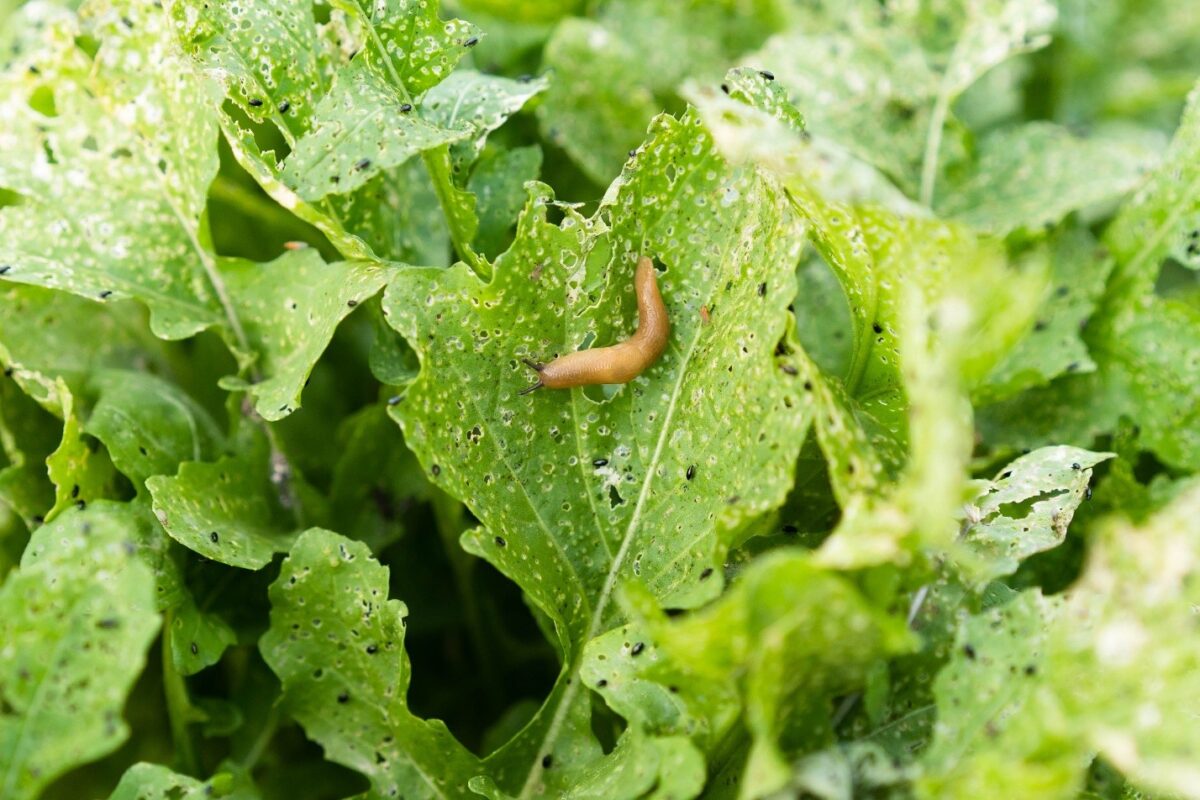
A few holes in a leaf or an occasional insect crawling across a plant does not necessarily mean a garden is in trouble. Gardens are living ecosystems filled with insects and other organisms, many of which are harmless or beneficial. Saralyn Wasserman maintains that problems can arise, however, when certain pests become numerous enough to damage leaves, stems, flowers, fruits, or roots.
Early detection is one of the most useful tools gardeners have. Regularly inspecting plants can reveal subtle warning signs before a pest population becomes too large. University of Minnesota Extension recommends regularly checking the tops and undersides of leaves for insects, eggs, webbing, holes, and discoloration as part of routine care.[1]
Knowing what to look for is equally important. Aphids, spider mites, scale insects, whiteflies, slugs, thrips, mealybugs, and other common pests leave different clues behind. Learning to recognize those clues can help gardeners determine whether a plant actually has a pest problem and then decide if anything needs to be done.
Aphids: Look for Clusters and Sticky Leaves
Aphids are among the most common garden pests. These small, soft-bodied insects are generally about 1/16 to 1/8 inches long and can be green, black, red, yellow, brown, or gray. They frequently gather on tender new growth, developing stems, flower buds, and the undersides of leaves. Because aphids use piercing mouthparts to feed on plant sap, large populations can cause leaves to curl, twist, or yellow. Shoots may become stunted, and overall plant growth can decline. Another important clue is a shiny, sticky substance known as honeydew. Aphids excrete honeydew while feeding that can coat leaves or surfaces beneath an infested plant, and dark sooty mold can subsequently grow on those deposits.[2]
Ant and wasp activity can sometimes provide another clue. Ants and some types of wasps are attracted to the sugary honeydew produced by aphids and other sap-feeding insects. If numerous ants travel up and down a plant, or if wasps congregate on the ground below, inspecting the leaves and stems for aphids, scale, or similar pests may reveal the source. A small number of aphids is not necessarily cause for alarm. Natural predators such as lady beetles, lacewings, and certain wasps can help keep populations under control.
Spider Mites: Watch for Stippling and Fine Webbing
Spider mites can be particularly challenging to detect because they are extremely small. They are not actually insects but are related to spiders and ticks. Gardeners may notice the damage they cause before seeing the mites themselves. One of the earliest signs is stippling, which appears as numerous tiny pale or yellow dots across a leaf. As feeding becomes more severe, foliage may look bronzed, bleached, or generally discolored. Leaves can eventually dry and fall. Fine webbing on leaves and stems is another strong indication that spider mites may be present.
Spider mite symptoms are sometimes confused with drought stress, especially because these pests thrive under hot, dry conditions. Gardeners who suspect the presence of mites can inspect the undersides of affected leaves with a magnifying lens. Another simple method is to hold a sheet of white paper beneath the foliage, tap or shake the leaves, and look for tiny moving specks that fall onto the paper.[3] Regular inspection is particularly helpful as a serious infestation can develop before individual mites become obvious.
Scale Insects: Look Closely at Stems and Leaf Veins
Scale insects can be easily overlooked because adults may resemble small bumps rather than insects. Depending on the species, their protective coverings can appear brown, gray, white, or otherwise blend into bark, stems, or foliage. Scale insects feed by consuming plant sap or cell contents. Small populations can go unnoticed, while larger infestations may lead to yellowing leaves, reduced plant vigor, stunting, or branch dieback. Some types of scale also produce honeydew, which can result in sticky foliage and the development of sooty mold.[4]
When plants show unexplained yellowing or decline, gardeners can examine the underside of leaves, particularly along major veins, as well as stems, branches, and bark. Scale coverings may remain attached even after the insect underneath has died, so simply seeing bumps does not always indicate that every scale is active. Scale insects are especially vulnerable during their young “crawler” stage, making correct identification and an understanding of their life cycle important when management becomes necessary.
Whiteflies: Gently Disturb the Plant
Whiteflies are small sap-feeding insects that can occur on indoor plants as well as outdoor ornamentals and vegetables. Adults have powdery white wings and may resemble tiny white moths. One of the easiest ways to discover them is simply to disturb the plant. Adult whiteflies often flutter into the air when an infested plant is touched, watered, or moved. Their immature stages are less noticeable and are generally found on the undersides of leaves.
Affected plants can develop yellow foliage, reduced vigor, wilting, or leaf drop when infestations are significant. Like aphids and soft scale, whiteflies produce honeydew, so sticky foliage or sooty mold can provide additional evidence that sap-feeding insects are present.[5] Gardeners should inspect leaf undersides carefully rather than relying solely on flying adults. Yellow sticky cards can also be useful for monitoring adult whiteflies, although traps alone do not reveal how many immature insects may be developing on the plant.
Slugs: Look for Irregular Holes and Slime Trails
Unlike aphids or whiteflies, slugs do not suck sap from plants. They chew directly through plant tissue. Seedlings and tender foliage can be particularly vulnerable.
Slug damage often appears as irregular holes in leaves or missing sections of foliage. They may also feed on ripening fruits and vegetables. Because slugs generally prefer cool, moist environments and are often most active at night, gardeners may see the damage without encountering the pest during a daytime inspection.
A dried, shiny slime trail is one of the most recognizable signs of slug activity. University of Minnesota Extension notes that slugs are generally found in cool, moist, shaded areas and that their slime trails can reveal their presence even when the animals themselves are hidden.[6] Gardeners who suspect slugs can inspect the garden after dark or early in the morning. Looking beneath boards, stones, containers, dense vegetation, and other damp hiding places can also reveal them.
Thrips: Watch for Silvery or Distorted Growth
Thrips are tiny, slender insects that can be difficult to see without close inspection. They damage plants differently from many sap-feeding pests. Thrips scrape or rasp the surface of leaves and flowers and then feed on the released plant fluids. Their feeding can produce irregular silvery streaks or patches on foliage. Flowers may become streaked, distorted, or damaged, and small dark spots of excrement can sometimes be visible where feeding has been heavy.
Because thrips are so small and move quickly when disturbed, gardeners may notice this distinctive plant damage before spotting the insects.[7] Flowers, buds, and tender new leaves deserve particular attention. When unusual streaking or distortion appears, gently shaking flowers or foliage over a white sheet of paper can sometimes make tiny pests easier to see.
Do Not Forget About Mealybugs
Mealybugs are more commonly associated with houseplants and greenhouse plants, but they are another pest worth recognizing, particularly when plants move between indoor and outdoor growing areas. These insects are distinctive because of the white, waxy material covering their bodies. They often appear as cottony or powdery white clusters around leaf joints, stems, and other protected areas. Feeding can contribute to stunted growth, premature leaf drop, and general plant decline.
Mealybugs can also produce honeydew. That means a gardener noticing sticky foliage should not immediately assume aphids are responsible. Aphids, whiteflies, mealybugs, and soft scale can all leave similar sticky residues behind.[8] Carefully inspecting the actual plant is therefore important before choosing a management strategy.
Learn to Recognize Chewing Damage
Sometimes gardeners may not immediately identify the pest itself, but the style of damage can provide a starting point. Caterpillars, beetles, slugs, and other chewing pests physically remove plant tissue, leaving holes, ragged edges, or skeletonized leaves. Sap-feeding pests, however, cause different symptoms. Aphids, mites, scale, and whiteflies are more likely to produce yellowing, stippling, curling, distortion, or weakened growth rather than large missing sections of foliage.
Other clues can narrow the possibilities further. Fine webbing can suggest mites, slime trails point toward slugs, and insect droppings can indicate that a chewing pest has been feeding nearby. Penn State Extension recommends matching the type of damage with the organism responsible rather than to assume that every insect found near an affected plant is the culprit.[9] That distinction matters because gardens contain many beneficial insects that may actually be feeding on the pests (non-beneficial insects).
Make Garden Inspection Part of the Routine
Gardeners do not need to wait until a plant is visibly declining to look for pests. A short inspection every few days can make unusual changes easier to recognize. Start with new growth, since tender leaves and buds often attract feeding insects. Turn leaves over and inspect their undersides. Look along stems and leaf veins, around flower buds, and near the base of plants. Check for sticky residue, webbing, holes, spots, discoloration, distorted leaves, eggs, shed insect skins, and droppings.
It is also helpful to become familiar with what healthy plants normally look like. A small change in leaf color or growth is much easier to notice when the gardener already knows the plant’s usual appearance. University of Minnesota Extension describes this type of routine monitoring as “scouting” and recommends walking through the garden regularly to identify developing pest and disease problems before they become severe.[10]
Identify the Pest Before Trying to Control It
Finding damaged leaves does not automatically mean a pesticide is necessary. In many cases, minor feeding causes little lasting harm. Garden plants routinely interact with insects, and predators, parasites, birds, and other natural enemies may already be helping control pest populations. Correct identification should come first. A gardener who mistakes a beneficial insect for a pest could inadvertently remove an organism that was helping protect the garden. Likewise, treating spider mites as though they were aphids may not address the actual problem.
Once a pest has been identified, gardeners should consider the least disruptive management option appropriate for the situation. Depending on the pest and severity, that might include removing affected plant material, washing insects away with water, hand-picking larger pests, improving growing conditions, or allowing natural predators time to reduce the population. If a pesticide becomes necessary, the product should be labeled for both the pest and the plant being treated, and label directions should be followed carefully. Early detection makes all of these decisions easier. Instead of responding after an entire plant has become yellow, webbed, skeletonized, or weakened, gardeners can act when the first unusual signs appear. A curled leaf, a sticky patch, a few pale speckles, or a silvery slime trail may seem insignificant, but learning to recognize these small clues is one of the simplest ways to stay ahead of an infestation of common garden pests.
[1] University of Minnesota Extension, “Managing Insects on Indoor Plants.” https://extension.umn.edu/product-and-houseplant-pests/insects-indoor-plants
[2] University of Minnesota Extension, “Aphids in Home Yards and Gardens.” https://extension.umn.edu/yard-and-garden-insects/aphids
[3] University of Minnesota Extension, “Twospotted Spider Mites in Home Gardens.” https://extension.umn.edu/yard-and-garden-insects/spider-mites
[4] University of Maryland Extension, “Introduction to Scale Insects.” https://extension.umd.edu/resource/introduction-scale-insects
[5] University of Maryland Extension, “Indoor Plant Insects.” https://extension.umd.edu/resources/pests/home-and-garden/indoor-plant-insects
[6] University of Minnesota Extension, “Slugs in Home Gardens.” https://extension.umn.edu/yard-and-garden-insects/slugs
[7] University of Minnesota Extension, “Managing Insects on Indoor Plants.” https://extension.umn.edu/product-and-houseplant-pests/insects-indoor-plants
[8] Penn State Extension, “Pest and Disease Problems of Indoor Plants.” https://extension.psu.edu/pest-and-disease-problems-of-indoor-plants
[9] Penn State Extension, “Recognize and Conserve Natural Enemies.” https://extension.psu.edu/recognize-and-conserve-natural-enemies
[10] University of Minnesota Extension, “Scouting 101: Catch Problems Early, Grow Happier Plants.”
