
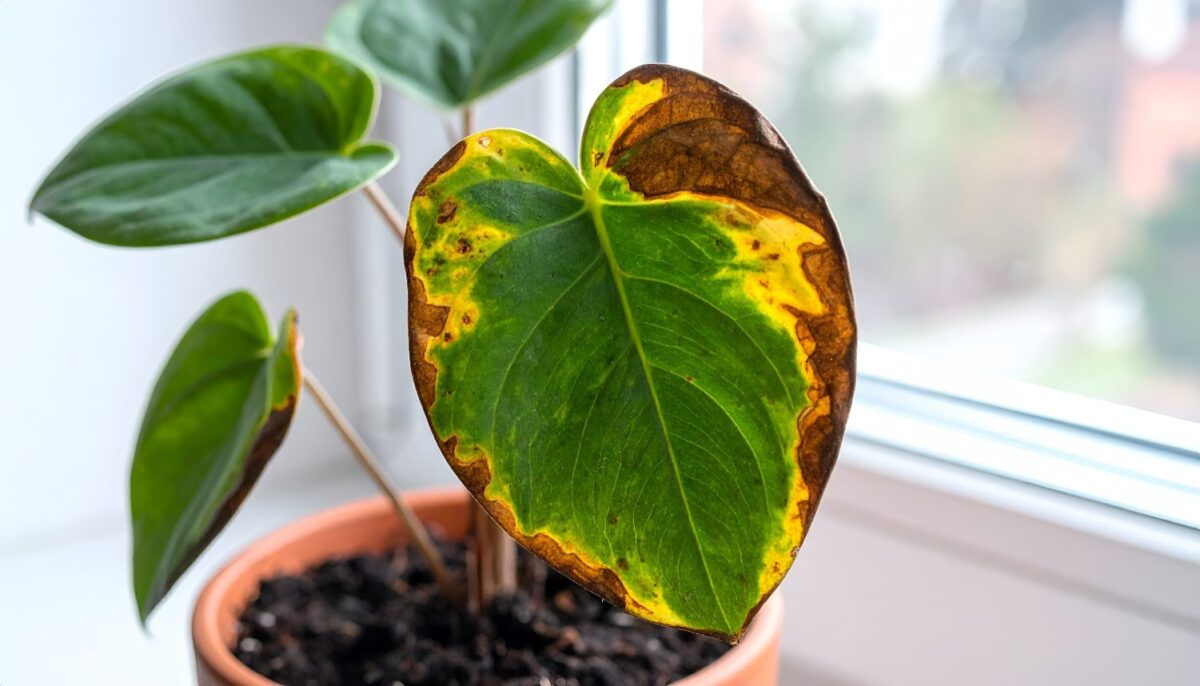
Houseplants may not be able to speak, but they are constantly communicating through their appearance. A healthy plant typically displays vibrant foliage, strong stems, and steady growth. When something is wrong, however, changes in the leaves, stems, or overall growth often provide important clues. Saralyn Wasserman discusses how learning to recognize these signs can help gardeners identify problems early and adjust before permanent damage occurs.
Many common houseplant issues, including yellowing leaves, brown leaf tips, drooping stems, curling foliage, and slow growth, are not diseases themselves but symptoms of underlying environmental conditions. In many cases, these issues are related to watering, lighting, humidity, soil quality, or nutrient availability rather than irreversible damage. Understanding what your houseplant is trying to communicate is one of the most valuable skills any indoor gardener can develop. By observing changes carefully and responding appropriately, both beginner and experienced plant owners can help their plants recover and continue to thrive.
Yellow Leaves Often Point to Watering Problems
Yellow leaves are among the most common concerns for houseplant owners, but they do not always have the same cause. One of the most frequent reasons is improper watering. Overwatering often causes lower leaves to turn yellow because saturated soil deprives roots of oxygen. Without enough oxygen, roots begin to deteriorate, making it difficult for the plant to absorb water and nutrients. In severe cases, prolonged overwatering can lead to root rot, a fungal condition that may become fatal if left untreated.[1] On the other hand, underwatering can also result in yellow leaves, particularly when the soil becomes excessively dry for extended periods.
Other possible causes include:
- Natural aging of older leaves
- Nutrient deficiencies
- Poor drainage
- Insufficient sunlight
- Sudden environmental changes
Rather than immediately watering a yellowing plant, check the soil moisture first. If the soil feels soggy several inches below the surface, overwatering may be the problem. If it feels dry throughout the container, the plant may simply need thorough watering.
Brown Leaf Tips Can Signal Dry Conditions
Brown tips are another common symptom that often frustrates indoor gardeners.
In many tropical houseplants, crispy brown edges develop when indoor air becomes too dry. Heating systems used during the winter months frequently reduce indoor humidity, creating conditions that differ significantly from the humid tropical forests where many houseplants naturally grow.[2]
Brown leaf tips may also result from:
- Irregular watering
- Salt buildup from fertilizer
- Minerals present in tap water
- Root stress
- Excessive direct sunlight
Improving humidity with a humidifier, watering consistently, allowing tap water to sit for 24 hours before using, and occasionally flushing excess fertilizer salts from the soil with clean water can often reduce further browning. While damaged leaf tips usually remain brown, healthy new growth indicates that the underlying issue has been corrected.
Drooping Leaves and Stems Do Not Always Mean a Plant Needs Water
One of the biggest misconceptions in houseplant care is assuming that every drooping plant is thirsty. Drooping occurs whenever plant cells lose the internal water pressure that helps keep stems and leaves upright. Although underwatering certainly causes this response, overwatering can produce nearly identical symptoms because damaged roots lose their ability to absorb moisture effectively.[3]
Other causes of drooping include:
- Rootbound plants
- Temperature stress
- Recent transplanting
- Sudden environmental changes
- Severe pest infestations
Before reaching for the watering can, inspect the soil carefully. If the soil is already wet, additional watering may worsen the problem.
Instead, evaluate drainage, root health, and recent changes in the plant’s environment before deciding how to respond.
Curling Leaves Often Indicate Environmental Stress
Leaves that curl inward, downward, or upward often reflect environmental stress rather than disease. Several factors can trigger curling, including inconsistent watering, low humidity, excessive sunlight, cold drafts, and pest activity. For example, plants placed directly beside heating vents or air-conditioning units may develop curled foliage because of rapid temperature fluctuations. Similarly, spider mites and aphids sometimes cause distorted new growth as they feed on tender leaves.
When leaf curling appears, examine both the growing conditions and the plant itself. Inspect the undersides of leaves for insects, verify soil moisture, and consider whether the plant has recently experienced significant temperature changes. Correcting the environmental conditions often allows healthy new foliage to develop normally.
Slow Growth May Be Perfectly Normal
Not every slow-growing plant has a problem. Many houseplants naturally grow more slowly during fall and winter as daylight hours decrease. Reduced sunlight signals many species to enter a period of slower growth or partial dormancy.[4] However, unusually slow growth during spring and summer may indicate that a plant is lacking one or more essential resources.
Possible causes include:
- Insufficient light
- Nutrient deficiencies
- Rootbound containers
- Poor soil quality
- Inadequate watering
- Temperatures outside the preferred range
If a plant has not produced new leaves for several months during the active growing season, it may benefit from brighter light, fresh potting mix, repotting, or balanced fertilizer.
Wilting Can Have More Than One Cause
Although wilting is closely related to drooping, it often develops alongside additional symptoms such as limp leaves, soft stems, or discolored foliage. Wilting may result from prolonged underwatering, but it can also occur when roots have been damaged by excess moisture, disease, or physical injury.
Rather than focusing solely on the leaves, evaluate the entire plant. Healthy roots should appear firm and light-colored. Mushy, dark, or foul-smelling roots often indicate root rot and may require trimming and repotting into fresh, well-draining soil.
Pale or Faded Leaves May Suggest Nutrient Deficiencies
Leaves that lose their rich green color may indicate that the plant is not receiving adequate nutrients. Nitrogen deficiency commonly causes older leaves to become pale green or yellow because nitrogen plays an important role in chlorophyll production.[5]
Other nutrient deficiencies may affect leaf color, vein patterns, or overall vigor.
If the plant has been growing in the same potting mix for several years, replenishing nutrients through fertilization or repotting may improve growth. However, excessive fertilizer should also be avoided, as it can damage roots and contribute to salt buildup within the soil.
Brown or Black Spots Deserve Closer Attention
Unlike brown leaf tips, isolated spots on leaves may indicate fungal disease, viral or bacterial infection, pest damage, or physical injury. Water sitting on leaves for extended periods can sometimes encourage fungal pathogens, particularly when airflow is limited.
If multiple leaves develop expanding spots, remove affected foliage and improve air circulation around the plant. Persistent spotting may warrant closer inspection to determine whether disease or insects are present.
Leggy Growth Usually Means the Plant Wants More Light
A plant that produces long, weak stems with widely spaced leaves is often stretching toward available light. This condition, known as etiolation, develops when plants receive insufficient light for healthy growth.
While increasing sunlight cannot reverse existing leggy growth, moving the plant closer to a brighter window or supplementing with grow lights encourages more compact future growth. Rotating containers periodically also helps promote balanced development.
Observation Is the Best Gardening Tool
Many houseplant problems develop gradually rather than overnight. Regular observation allows gardeners to notice subtle changes before serious damage occurs.
Checking plants each week provides an opportunity to monitor:
- Soil moisture
- New growth
- Leaf color
- Signs of pests
- Drainage
- Root health
- Overall vigor
Keeping notes about watering schedules, fertilization, and environmental changes can also make it easier to identify recurring issues over time.
Healthy houseplants communicate through their appearance, offering valuable clues about their growing conditions long before serious problems develop. Yellow leaves, brown tips, drooping stems, curling foliage, and slow growth each tell part of a larger story about a plant’s environment and overall health. Rather than viewing these symptoms as isolated problems, gardeners should treat them as opportunities to better understand what their plants need.
By observing plants regularly, checking soil moisture before watering, providing appropriate light and humidity, and responding thoughtfully to changes in appearance, plant owners can often correct minor issues before they become major ones. Developing the ability to interpret these signals not only leads to healthier houseplants but also builds confidence and success in indoor gardening for years to come.
[1] University of Minnesota Extension. Root Rots in Houseplants. https://extension.umn.edu/houseplants/root-rots-houseplants
[2] University of Vermont Extension. Houseplants and Humidity. https://www.uvm.edu/extension
[3] Clemson Cooperative Extension. Indoor Plants (Houseplants). https://hgic.clemson.edu/factsheet/indoor-plants-houseplants/
[4] Royal Horticultural Society (RHS). Winter Care for Houseplants. https://www.rhs.org.uk/houseplants/winter-care
[5] University of Missouri Extension. Essential Nutrients for Plant Growth. https://extension.missouri.edu/publications/g6950
